|
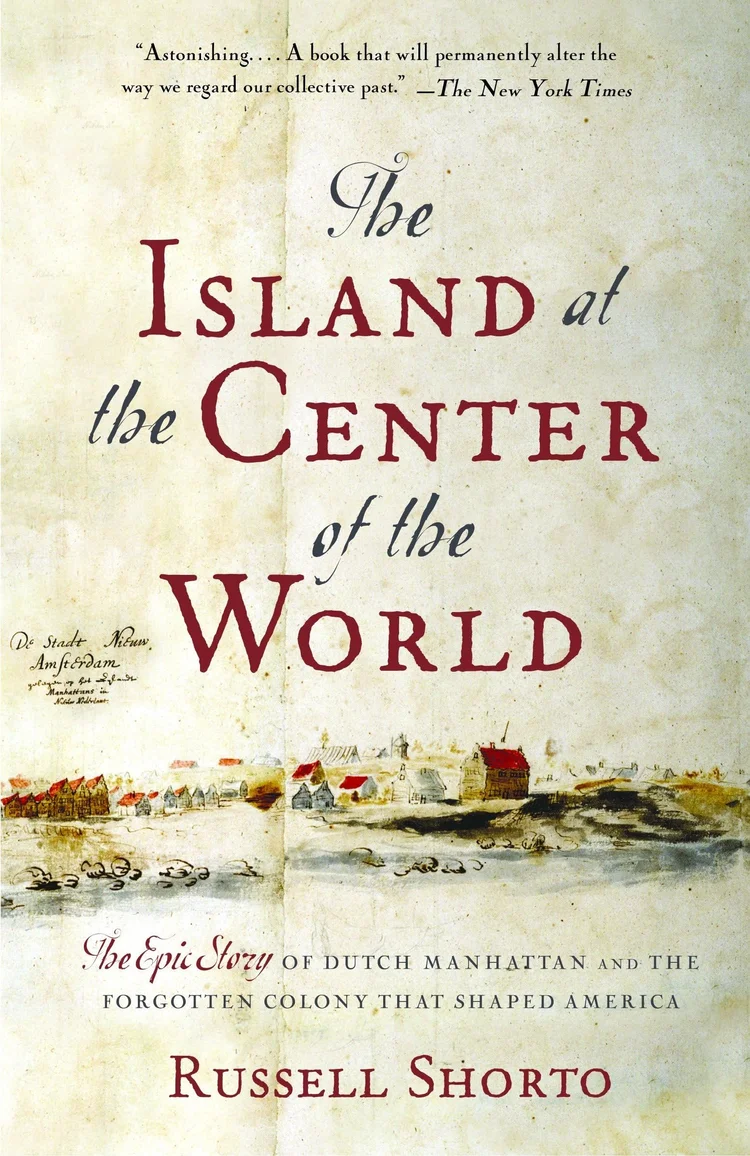
The month of March always brings me back to the story that started my career as a documentary filmmaker, the Pound Ridge Massacre. In March of 1644, a combined force of Dutch and English colonists massacred an indigenous village, which is believed to have existed in present-day Pound Ridge, NY. Want to learn more? There’s a great documentary about it ;) When I first stumbled upon this story, I immediately went out looking for any books that could cover this chapter of history. This was my introduction to Russell Shorto’s amazing book, “The Island at the Center of the World”. Much of what makes New York City and New York State the hub of culture, finance, and technology that it is today was built on Dutch foundations. Conversely, many of America’s darkest actions and patterns began with Dutch colonization. Shorto investigates all of this history and presents the reader with a fascinating narrative on how New Amsterdam/New Netherland was the first uniquely ‘American’ settlement. From Henry Hudson’s voyage up the river in 1609 to the surrender of the colony to the British in 1664, we see many ‘firsts’ happen in our region’s history. One of the earliest conflicts with the Indigenous tribes (Kieft’s War) set the groundwork for “Manifest Destiny” and the subsequent genocide of Native Americans. The first elected body in New York history was founded during this time in order to stop the war, establishing a precedent for democratic governments in this “new world”. What stands out to me, however, is how Shorto presents the consequences of unchecked, laissez-faire capitalism in how the colony was run by the Dutch West India Company. With no oversight from the Dutch Government, this company ran New Amsterdam like any other trading outpost with little regard for its non-company residents, much less the African slaves or Native Americans in and around the settlement. Brutal carnage, mass suffering, and disenfranchisement followed, which made the British arrival less of a ‘surrender’ and more of a welcoming sight in the eyes of the colonists. However, when the British replaced ‘New Amsterdam’ with ‘New York’, the detailed history of the former almost went extinct. Despite this, remnants of this history are all around us in names such as “Tappan Zee”, “Bronx”, “Yonkers”, and of course, “Peekskill”. These places and many, many more, are a testament that our backyard is filled with stories from a forgotten chapter that we have only recently begun to scratch the surface of, and authors like Russell Shorto are leading the charge in restoring this history.
|